


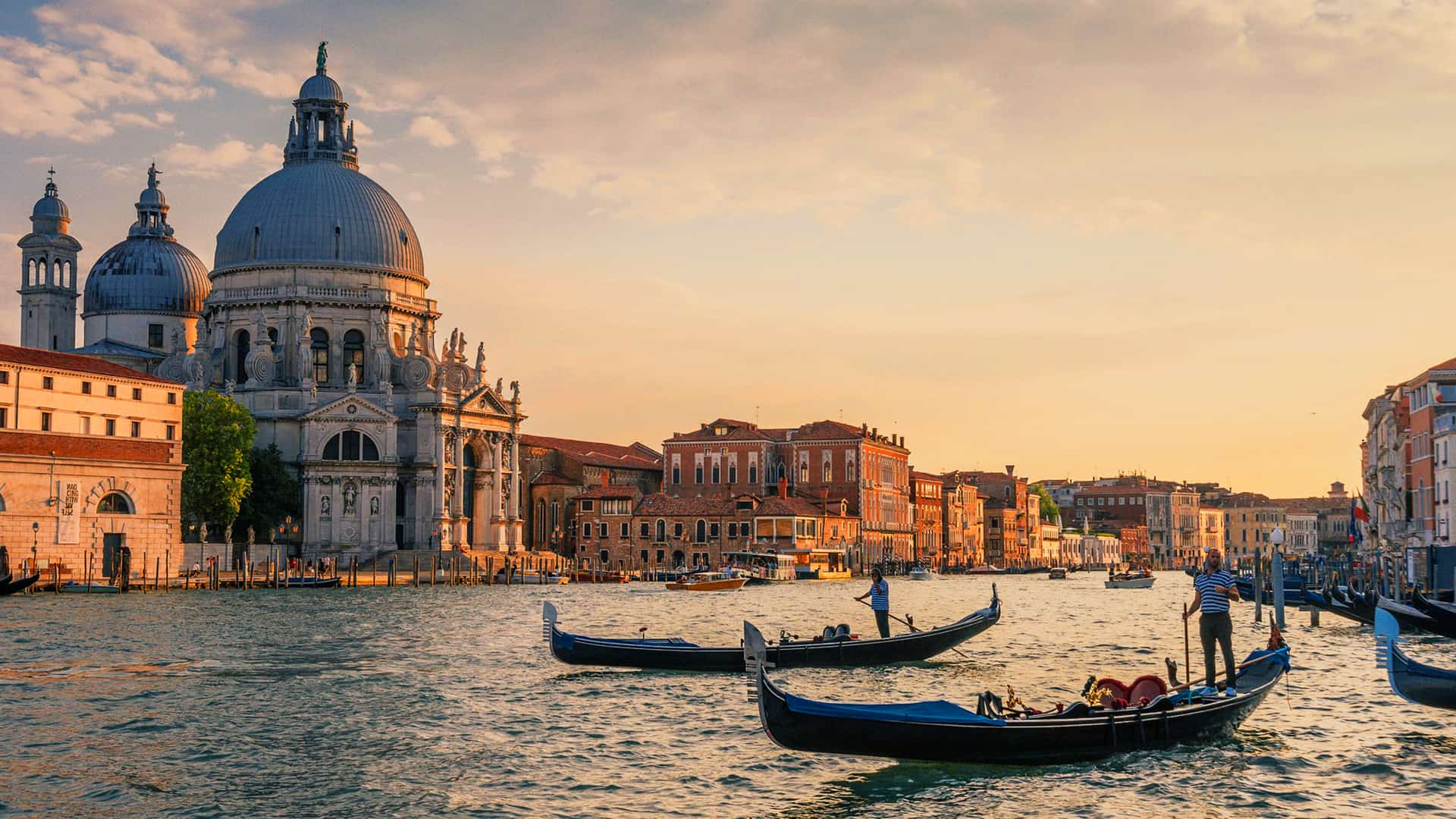
Italy can be a place to study engineering, explore psychology, build a design portfolio or deepen your understanding of business while learning from the life around you. University study sits alongside neighbourhood markets, public squares, museums and conversations that gradually make a new language feel familiar.
You do not have to study art or arrive fluent in Italian to consider it. English-taught degrees offer a route into a range of subjects, particularly at master’s level, with some interesting bachelor’s options too.
This guide brings together course choice, tuition, funding and everyday life for international students. Recensito il 18 ottobre 2026. Published 2026/27 figures are identified below; future scholarship calls should be checked separately.
Finding the right course in Italy
Begin with the work you want to do during your degree. Would you enjoy a laboratory course, a programme built around projects, or one that gives you time to read and develop arguments? Similar course titles can lead to very different weeks of study.
At undergraduate level, the Universitaly introduction to Italian higher education describes the usual three-year first degree. A master’s normally takes two years, while some subjects use a five- or six-year single-cycle structure. Check the course itself rather than assuming that every degree follows the same timetable.
For a master’s, consider how closely the modules connect with your previous study. Some programmes welcome a broad background, while others expect particular mathematics, laboratory or subject knowledge. An interesting title is only the beginning of that comparison.
Look at practical opportunities too: a final project, thesis, studio work, fieldwork or internship. Ask how students find placements and what support they receive. If an optional international exchange appeals to you, find out how it fits into the course and whether it adds costs.
English-taught bachelor’s and master’s degrees
English-taught study is available, but the language should be checked at programme level. A university with an English website does not necessarily teach every degree in English. Read the course language, campus, entry requirements and curriculum together.
The University of Padua publishes a collection of English-taught degrees. Its Information Engineering bachelor’s programme, for example, is a three-year English-taught route covering foundations relevant to areas such as computing, electronics, automation and telecommunications.
Padua also lists English-taught psychology master’s programmes, including Cognitive Neuroscience and Clinical Neuropsychology and Clinical, Social and Intercultural Psychology. These examples show why it is useful to search by subject and learning interests rather than looking only for a general list of international universities.
Use the latest course page for the intake you want. A proposed programme awaiting approval is different from a course already open for applications, and a previous year’s page may show dates that no longer apply.
Learning Italian alongside your degree
Italian can make everyday life more enjoyable even when your classes are in English. It helps with conversations at home, local activities, appointments and many work settings. Treat language learning as part of the opportunity rather than another hurdle to clear before you arrive.
Ask whether the university offers language classes and whether they fit around your course. Start with everyday situations you will actually use. If your programme includes professional practice with local people, check the language needed for that component before enrolling.
Students interested in staying after graduation may find it useful to build Italian steadily from the first semester. It is easier to make progress over two or three years than to begin only when applications for jobs become urgent.
Choosing a university city
Explore more than the best-known destinations. Compare the courses available in cities such as Bologna, Padua, Turin, Milan and Rome, then look at the specific campus and neighbourhood. A university’s city name does not tell you how far your classes are from the centre.
Think about whether you would prefer a compact routine or a larger urban setting. Walking or cycling between home and campus may appeal to you; another student may be happy commuting in exchange for a particular course or neighbourhood.
Before choosing, look at real accommodation options for your likely arrival month. Compare the rent, bills, deposit, furnishings and journey to campus. Avoid treating one unusually low advert as the normal price for the city.
Try to picture a study week as well as a holiday. Where will you buy groceries, work on a group assignment, exercise or spend a quiet afternoon? The details that make ordinary life comfortable can help you get more from the academic experience.
Tuition fees: why the amount varies
Public university fees in Italy can depend on the course and your financial circumstances, while private institutions set their own charges. The official Study in Italy information is a useful starting point, but the university’s current fee rules determine your bill.
Do not assume that a low fee advertised for one student category applies to everyone. Where fees depend on income, applicants with family income or assets abroad may need particular documents. Ask which evidence is accepted, whether translation is required and when it must be submitted.
A concrete 2026/27 example
Il University of Bologna’s 2026/27 fee information describes a fixed amount of €157.04 plus a variable component based on the programme and relevant financial circumstances. The fixed amount alone is not the full tuition fee for every student.
This illustrates why comparing Italy through a single national tuition figure can be misleading. Obtain the likely amount for your programme and category, then understand what must happen for any reduction to apply.
Include other course costs such as materials, field trips, equipment or a move for an internship. If your programme lasts two or three years, calculate the complete period of study rather than focusing only on the first instalment.
Building a realistic living budget
Separate recurring expenses from arrival costs. Your monthly spending may include rent, utilities, groceries, transport, phone service, health cover and personal activities. Your first weeks may also require a deposit, temporary accommodation, travel and household essentials.
University living-cost pages can help you identify categories. For example, Bologna provides information about living in the city. Treat published examples as orientation and compare them with current accommodation offers rather than assuming every older figure is still a realistic quote.
Questi sono illustrative budgets, not claims about average rents or the minimum needed in a named city:
- €900 a month produces €10,800 in living costs over 12 months.
- €1,200 a month produces 14.400 € per 12 mesi.
- €1,600 a month produces 19.200 € in 12 mesi.
Tuition, travel and arrival expenses are additional. Use whichever scenario helps you begin, then replace it with evidence from your own choices. If available housing makes the lowest scenario unrealistic, adjust it before committing to the course.
Check the housing contract length. A teaching calendar does not necessarily match a lease, and a summer internship or examination period can affect how long you need to stay. Paying for twelve months while budgeting for nine is an easy way to create a shortfall.
Leave room for enjoying the experience. A modest allowance for a meal with classmates, a local event or a day trip can make your plan more sustainable than a budget that assumes you never do anything outside class.
Scholarships and regional student support
Italy offers different types of funding, and it helps to search them separately: university scholarships, regional student support and government programmes. Each can use a different application process and timetable.
Il Padua International Excellence programme is an example of university funding for selected students on English-taught degrees. At this review, the university says details of the new call will be published in November 2026. Do not treat a previous call’s amount or deadline as a confirmed offer for your future intake.
Regional support can consider financial circumstances and academic requirements. Padua’s 2026/27 regional scholarship information, for example, gave a deadline of 30 September 2026, which has already passed. The useful lesson for a future applicant is to prepare early: a course admission and a funding application can have separate deadlines.
Il Italian government’s MAECI scholarship information covers selected opportunities, particularly at postgraduate, research and other specified study levels. It is not a general scholarship available to every new bachelor’s applicant.
For any award, check what it pays, when payments start, whether accommodation or meals are included and what is required to renew it. You may need money for arrival even when you have secured funding.
Explore our growing elenco delle borse di studio alongside official university pages. Base essential spending on confirmed funds, with a separate plan for awards that remain undecided.
Applications and preparation
Each university and programme sets its entry requirements and application process. Some courses require an admission test, interview or portfolio. Others assess your qualifications and subject background. English-language requirements also vary.
Begin with the course page for your intended intake. Identify the application opening date, deadline, selection stages and any deposit. International applicants needing a visa may have an earlier practical timetable than students already able to live in Italy.
Prepare academic records and language evidence before the deadline becomes urgent. For a master’s, explain how your previous studies or experience connect to the programme. For a portfolio course, choose work that shows how you think and develop ideas, not only polished final images.
Applicants who need a study visa generally use the official pre-enrolment process through Universitaly as part of their preparation. University admission, pre-enrolment and the visa decision are connected steps, but they are not the same decision.
Once you have an offer, allow time for housing, financial evidence and the consular process that applies where you live. Your institution’s international office can help you put the steps in the right order.
Visas, residence and health arrangements
Entry and residence requirements depend on nationality and the length of your stay. Use the university’s international guidance together with official Italian consular information for your country of residence.
For students entering on the relevant long-stay study visa, Study in Italy’s residence guidance explains the application for a residence permit within eight working days of arrival. Arrange time for this alongside enrolment and orientation.
Check health-cover arrangements before travelling. What you need can depend on your nationality and circumstances, so ask what cover the university recommends for your situation and when it must begin. Do not assume a policy intended for a short holiday will meet every requirement of a longer study stay.
Keep enough flexibility in your first week to handle practical matters. Finding the correct office, attending an appointment or collecting a document can take longer when you are new to a city.
Working and gaining experience
The official studying-in-Italy guidance describes work permission for holders of a study residence permit of up to 20 hours a week and 1,040 hours a year. Your own status and any specific conditions still matter.
That permission does not mean a suitable job will be waiting when you arrive. Language, experience, local demand and your timetable all affect what you can find. Fund your essential costs without depending on immediate earnings.
Think of experience more broadly than a part-time job. A course project with an organisation, a laboratory placement, a student association or a volunteering activity can help you practise communication and teamwork. Choose activities that add something to your learning without overwhelming your study time.
If a programme advertises an internship, ask whether it is compulsory, how it is arranged and whether previous students have completed it in settings that interest you. The quality of the work and support can matter more than an impressive-sounding label.
Settling into student life
Orientation is useful even if you are confident travelling. It introduces the systems you will use for classes, assessments and support, and gives you an easy reason to meet other students.
Ask about the assessment style early. If oral discussion, unfamiliar examination formats or independent reading are new to you, seek examples and advice from tutors. Learning how the course works is part of learning the subject.
Build a routine that lets you enjoy the place around you. You might join a language exchange, explore a local market, take up a sport or become a regular at a neighbourhood café. Repeated small experiences often create a stronger connection than a rushed list of sightseeing trips.
Friendships can take time, particularly when some classmates already know the city or speak the language. A recurring activity gives conversations the chance to develop naturally. You do not have to have your whole social life organised in the first fortnight.
Questions about studying in Italy
Can I study in Italy without speaking Italian?
Yes, if you choose a suitable English-taught degree and meet its language requirements. Italian still helps with daily life and many practical or professional opportunities. Check the language of internships and other activities as well as lectures.
Is university free in Italy?
Not automatically. Some students receive fee reductions or funding, but the amount depends on the institution and their circumstances. Living costs remain an important part of the plan even when tuition is reduced.
Can I get a scholarship for a bachelor’s degree?
Some university and regional schemes support undergraduate students, but eligibility and deadlines differ. Search for your course and category specifically rather than assuming that a government postgraduate award also covers bachelor’s study.
Should I choose the lowest tuition fee?
Compare the whole experience and total cost. Course content, teaching, housing, travel and opportunities to practise your skills all matter. A low tuition figure is useful only when the course and living arrangements also suit you.
For further comparison, visit our tuition-fee guide, English-taught programme overview e guide per paese.