


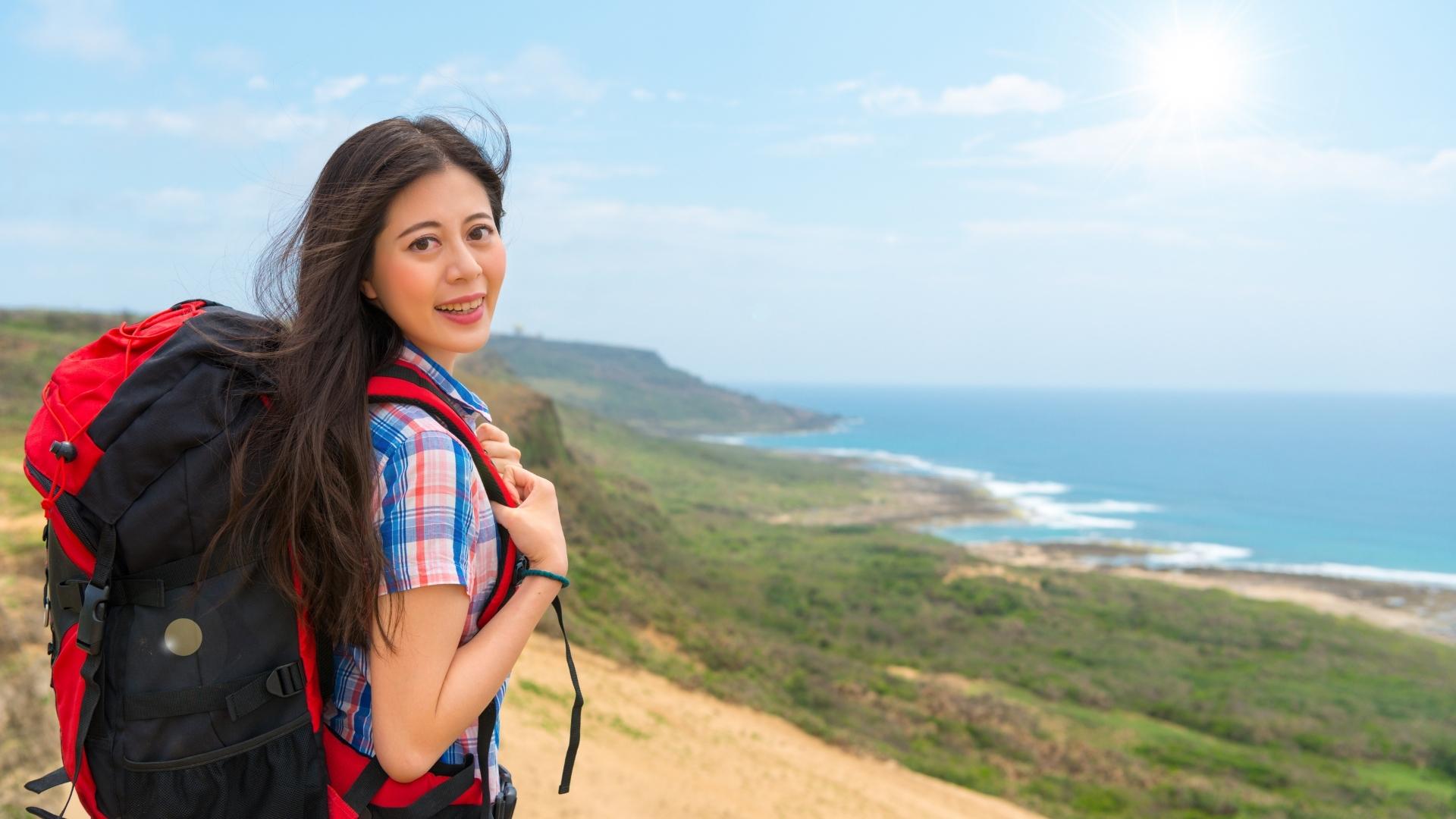
Student backpacking can mean a rail journey between cities, a guided trek with a small group or several weeks learning wilderness skills. All can be rewarding, but they are different experiences. Choosing the right format matters more than finding a list labelled “best”.
Begin with the experience you want to bring home: confidence travelling independently, time outdoors, new friendships, language practice or a better understanding of a place. Then choose a route that gives those interests room to develop.
Independent travel or an organised programme?
Independent backpacking offers freedom over the route, pace and budget. You also organise accommodation, transport and changes when plans go wrong. It can work well with a small group whose expectations are similar.
An organised programme provides a timetable, leaders and a group. That structure may suit a first overseas trip or a challenging outdoor setting. Ask how much choice participants have and how much of each day is spent travelling, walking or in structured activities.
Wilderness programmes worth exploring
NOLS offers outdoor expeditions and other courses for different age groups and experience levels. Its catalogue separates activities and course lengths, so compare the individual expedition rather than assuming every NOLS trip has the same physical demands.
Colorado Outward Bound School also offers age-specific outdoor experiences. Check the particular course’s terrain, length, equipment and participant requirements. A wilderness expedition is not simply a sightseeing holiday with a backpack.
Neither provider is a universal recommendation. Use their detailed course descriptions as examples of the information any organiser should provide before you book.
Read a sample day
A sample timetable reveals more than a dramatic photograph. Look for walking hours, pack carrying, transport, rest time and accommodation. Ask whether a route includes camping, shared rooms or a mix, and what happens in poor weather.
Be candid about previous experience. A first-time camper may enjoy an introductory course more than an expedition chosen for its impressive destination. Ask the organiser about preparation and any adaptations you need.
Calculate the full cost
Put the programme fee beside travel to the meeting point, equipment, meals outside the itinerary, insurance, visas where needed, laundry and a contingency. Find out which items can be borrowed or hired before buying expensive equipment.
Compare cancellation and transfer conditions, particularly if your exam dates or university timetable are not final. A lower headline price may exclude services that another trip includes.
Make group travel work
Before travelling with friends, discuss spending, room sharing, nightlife, daily pace and the freedom to split up. Agree how to communicate when plans change. These small conversations can prevent a budget disagreement becoming the centre of the holiday.
On a led programme, ask about group size, staff responsibilities and contact arrangements. For under-18s, parents should understand supervision, travel handovers and consent requirements.
Leave room to enjoy the place
A crowded itinerary can turn travel into a sequence of departures. Build in time for an ordinary market, a local café, a museum or a conversation. Learning often happens between the major attractions.
If Spain is on your route, our Spain packing guide helps match clothing to the season and region. If you hope to add service work, read our US volunteering guide and arrange a genuine role in advance rather than treating volunteering as a casual travel extra.
Reviewed 25 October 2026. Check the linked provider pages for current availability and conditions.