


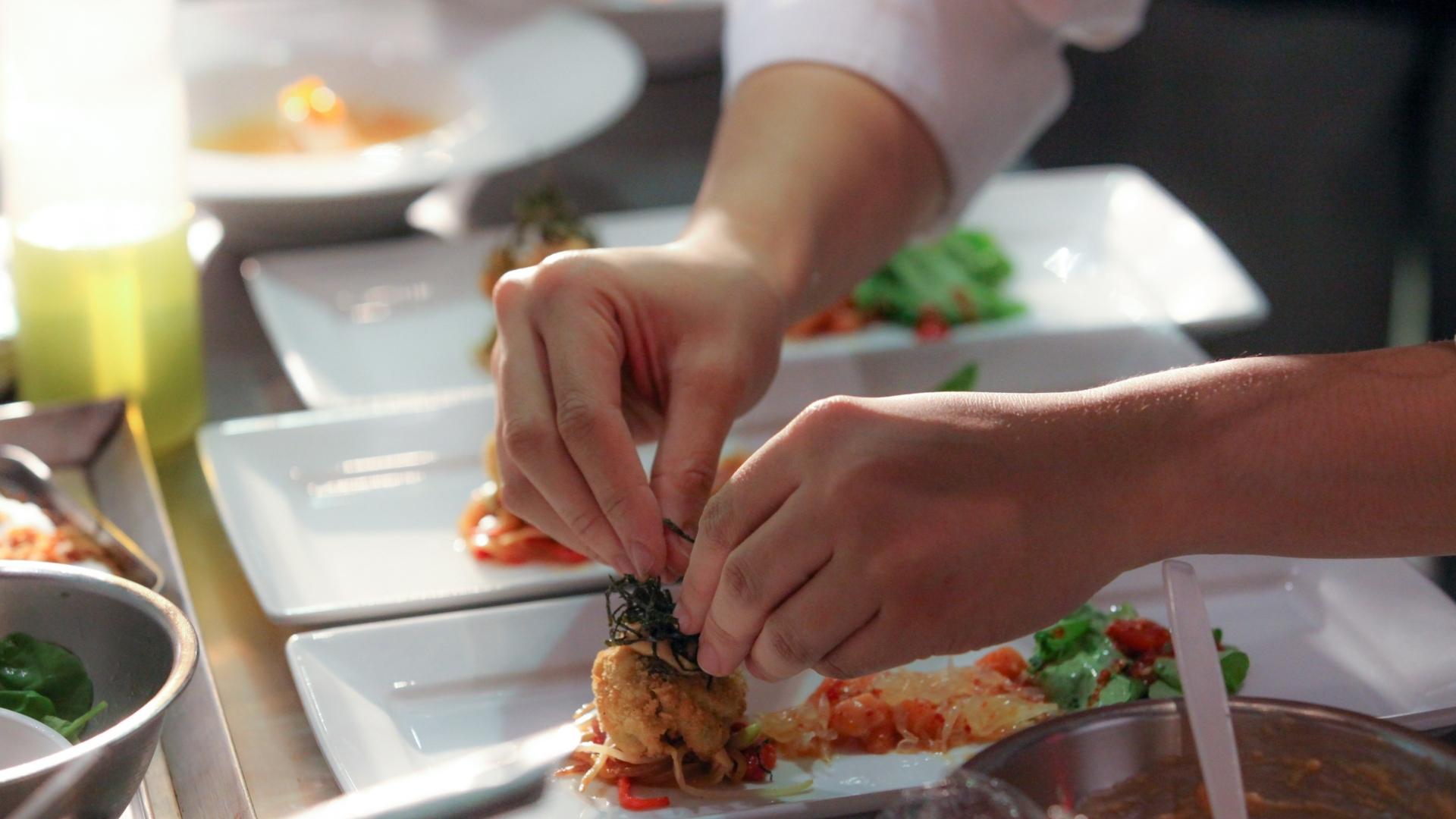
Studying cooking in Italy can be an opportunity to develop technique while discovering the ingredients, markets and regional traditions behind the food. It can also help you understand the less glamorous work that makes a kitchen function: preparation, consistency, hygiene, timing, teamwork and cost control.
Choose the course around the kind of learning you need. A short pasta workshop, a professional culinary diploma and a bachelor’s programme are very different commitments. Each can be worthwhile, but they should not be compared as though they offer the same experience or ask for the same starting knowledge.
Start with your goal
If you enjoy cooking at home, a shorter course can give you a satisfying introduction without requiring a major career decision. If you want to enter a professional kitchen, look for repeated hands-on practice, assessment and meaningful work experience. If your interests include restaurant management, food culture or entrepreneurship, compare courses that connect kitchen skills with a broader academic or business education.
Think about your existing experience too. Someone who already works in a kitchen may benefit more from a focused course in pastry, pasta or regional cuisine than from repeating a general beginner programme. Ask to see a timetable before deciding that a longer course must be better.
Schools and routes to compare
ALMA, Colorno near Parma
ALMA’s international courses include English-language options in Italian cooking, pastry and pasta. Its location offers a base for exploring the food traditions of Emilia-Romagna as well as learning in a school kitchen.
O Italian Culinary Program moves from foundational techniques into advanced study and includes a compulsory traineeship in the second unit. The official page distinguishes the two units and explains which traineeship arrangements apply to each. When reviewed, it advertised a full-path course fee of €30,200 including VAT and the tool kit, with a separate €100 application-evaluation charge. Use the current quotation for your edition; do not assume accommodation and every living expense are included.
Apicius in Florence
Apicius, within the Florence University of the Arts academic environment, brings together food, wine and hospitality subjects. Its academic catalogue presents different levels and study routes, including culinary arts and baking-and-pastry pathways.
This is worth investigating if you want to connect practical food study with a wider educational programme in Florence. Read the particular route’s curriculum, teaching language, duration and admissions requirements. A school can offer several awards and formats; the existence of one route does not mean every course leads to the same qualification or includes the same placement.
Scuola di Arte Culinaria Cordon Bleu, Florence
Cordon Bleu Florence lists professional options in cooking, pastry and gastronomy. Its Gastronomo programme for September 2026–June 2027 is taught in English and combines online theory with practical activity in Florence. The published price is €15,000 for that edition. This blended format is particularly important to notice if you are expecting every lesson to take place in a physical kitchen.
Compare the course itself, not just a familiar-sounding name. Ask which parts require attendance in Florence and how accommodation should be planned around them.
How much practical cooking will you do?
Cooking courses can include demonstrations, small-group practical sessions, individual production, tasting, theory and external visits. All can contribute to learning, but watching a chef and producing a dish yourself are different experiences. Ask how many students share a workstation, how ingredients are supplied and how often you receive feedback on your own work.
Look for progression. Early sessions might focus on knife skills and organisation; later work should ask you to manage greater complexity, timing and consistency. You want to understand why a method works and how to repeat it under pressure, not only leave with a collection of recipes.
Teaching language and kitchen language
An English-taught programme can make technical explanations more accessible. Learning Italian still adds a great deal to daily life, shopping and contact with producers. It can also matter in a traineeship, where the team’s working language may differ from the language used at school.
Ask about the language of practical instruction, written assessment and placements separately. If the school recommends a level of Italian before an internship, build time for that into your plan. Our Italy study guide covers the broader setting for international students.
Understand the placement experience
A traineeship can show you the pace and expectations of a working kitchen. Ask how placements are arranged, which kinds of kitchens take students and how the school follows up on learning. Clarify whether you must apply and interview, where placements can be located, and who pays for travel and housing.
Do not assume that a placement is paid or that it leads to a job. Treat it as an opportunity to develop reliable habits, observe experienced people and find out which kind of work suits you. Those lessons can be useful even if your eventual direction changes.
Compare the full cost of studying
Request a breakdown of tuition, uniforms, knives, tools, ingredients, examinations and any compulsory field trips. Add housing, meals outside class, transport, insurance and travel between the school and placement. Food prepared during a lesson is not necessarily a replacement for all your daily meals.
Check payment dates as well as totals. A deposit, tuition instalment and housing security payment may fall before you arrive. Read the cancellation conditions and the rules for moving to another edition. Our budgeting guide explains how to compare differently packaged courses.
Making the most of the opportunity
Keep a practical notebook: techniques, temperatures, supplier discoveries, mistakes and the adjustments that improved a result. Explore markets with a question in mind, such as how a seasonal ingredient changes across regions. Use the course to develop your palate and judgement alongside your confidence.
A culinary education can support restaurant work, pastry, food development, hospitality or a business of your own. It cannot guarantee any of those outcomes. Choose a programme whose daily work makes you curious and whose cost you can sustain. For wider academic choices, explore our directório de programas.
Reviewed 25 October 2026. Named fees refer to the advertised course or edition described and may change.