


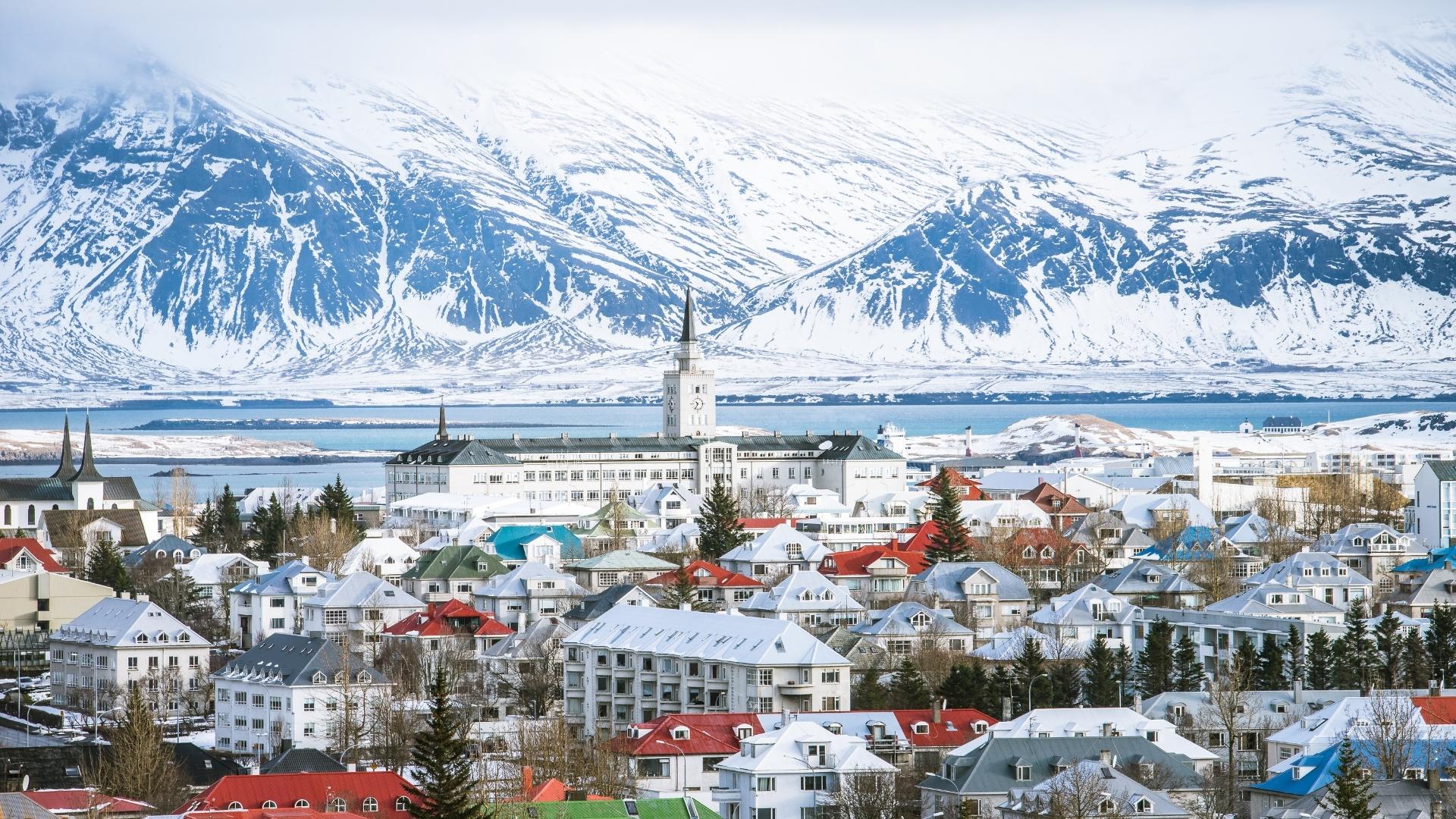
Iceland offers a small higher-education setting with distinctive opportunities to study environment, society, culture and other subjects close to the places they concern. For an international applicant, the first questions are practical: is the complete course taught in a language you can use, is it offered at your level, and can you fund living there?
It is especially important to replace the old assumption that studying in Iceland is simply “free”. Registration charges, private-university tuition, living expenses and changes affecting future non-EEA entrants all need to be considered separately.
Finding a programme taught in English
The University of Iceland’s language guidance says Icelandic remains its main teaching language and that English-taught programmes are concentrated at graduate level. It also offers individual English courses for exchange students. Those courses do not necessarily form a complete English-taught degree.
There are specific undergraduate exceptions. The university’s BA in International Studies in Education states that teaching is in English and describes study of education in an international context. This illustrates why applicants should search course by course rather than assume every bachelor’s requires Icelandic or every programme is available in English.
For postgraduate study, the MA in Medieval Icelandic Studies is another clearly documented English option. Its work with language, literature, history and primary sources shows how a destination’s setting can connect directly with academic learning. Use the official programme search to compare current options and entry requirements.
Course structure and the experience you want
Compare the amount of taught study, independent reading, project work and research. A small academic environment may appeal if you want close engagement with a subject, but the experience will still vary between departments. Ask how supervision and feedback work in your chosen course.
If your interest is environmental or field-based study, check which activities are actually part of the curriculum. Field trips, laboratories or an external project should appear in the programme information; Iceland’s landscape alone does not guarantee access to any particular activity.
For exchange study, choose a feasible set of courses and agree credit transfer with your home institution. An attractive English elective may run only in one semester or require background knowledge. Confirm the timetable and prerequisites before finalising travel.
University fees: important changes for future entrants
As reviewed on 25 October 2026, the University of Iceland’s dedicated university-fees page lists an annual registration charge of ISK 100,000 and a handling and processing charge of ISK 20,000 for applicants from outside the EEA/EFTA. These are separate charges, not an estimate of living costs.
The same page says universities have been authorised to introduce tuition for students from outside the EEA/EFTA and Switzerland from autumn 2027. It states that this will not apply to students starting in autumn 2026 or already enrolled at the University of Iceland. The page also exempts doctoral programmes and students holding permanent residence permits in Iceland. Future amounts remain undecided and the university says the information is subject to final decisions.
Consequently, someone planning a later intake should obtain current written fee information and should not reuse a 2026 budget unchanged. Other universities have their own schedules, and private institutions can charge tuition. Compare your institution, programme, entry year and student category. Our 学习指南 can help organise the full calculation.
Living costs and housing
Living expenses can be substantial even when tuition is limited. The University of Iceland’s Reykjavík budgeting guidance gives an indicative accommodation range of ISK 130,000–180,000 per month including utilities, and ISK 65,000–80,000 for food and everyday expenses. These are planning estimates, not guaranteed prices.
Add transport, study materials, health cover, personal spending and a contingency, as well as flights and a rental deposit. The amount required as immigration financial evidence and the amount you personally need are not necessarily the same.
该大学的 housing guidance warns that availability is limited and accommodation is not guaranteed. Begin early and compare the actual room, contract and journey to campus. If you look beyond central Reykjavík, include transport costs and the timetable in the comparison.
Think about the length of your stay too. A course timetable covering two semesters may still leave you paying rent during a summer project or dissertation. Build a twelve-month budget where your plans require one.
Admissions, timing and scholarships
Undergraduate applicants should check how their school qualification is assessed and whether English evidence is required. Master’s applicants need to compare the expected academic background, supporting documents and any research proposal or writing sample. Requirements belong to the programme rather than the destination as a whole.
Deadlines for international applicants can come well before the start of teaching. Check the current intake page and allow time for documents, a decision, any residence process and housing. Do not assume that a spring entry point is available simply because a university teaches in two semesters.
The University of Iceland says it does not offer funding or scholarships to prospective students through its general fee guidance. Other funding may exist through a specific programme, home-country award or external scheme, but it must be investigated individually. Search our 奖学金目录 and verify each provider’s current eligibility and coverage.
Residence, work and everyday life
Residence requirements depend on nationality and length of stay. Follow the university’s arrival instructions and the Directorate of Immigration’s student-permit guidance for your circumstances. Prepare financial evidence and health cover early instead of treating them as last-minute travel documents.
在 changes effective from 8 July 2026, student residence-permit holders may work without a separate work permit for up to 60% of full-time employment across all their jobs. Defined exceptions allow more work, including scheduled academic breaks and formal workplace training. Qualifying graduates of Icelandic bachelor’s, master’s or doctoral degrees may renew their student residence permission for up to 18 months to seek employment based on their qualifications. Check the conditions applying to your own status before accepting a job or placement.
Permission to work does not guarantee employment. Course intensity, local language and a small employment market may influence what is practical. Avoid making assumed earnings the foundation of your study budget.
Build a routine that works through the seasons: study, social activities, exercise and time outdoors when conditions allow. Learning some Icelandic can help you engage with life beyond campus, even while studying in English. Choose Iceland for a course you want to learn from, supported by a budget you can sustain. Our programme finder 和 English-taught degree guide can help with the comparison.
Information reviewed 25 October 2026. Course availability, fees and immigration requirements can change; use the linked official sources for your application.