


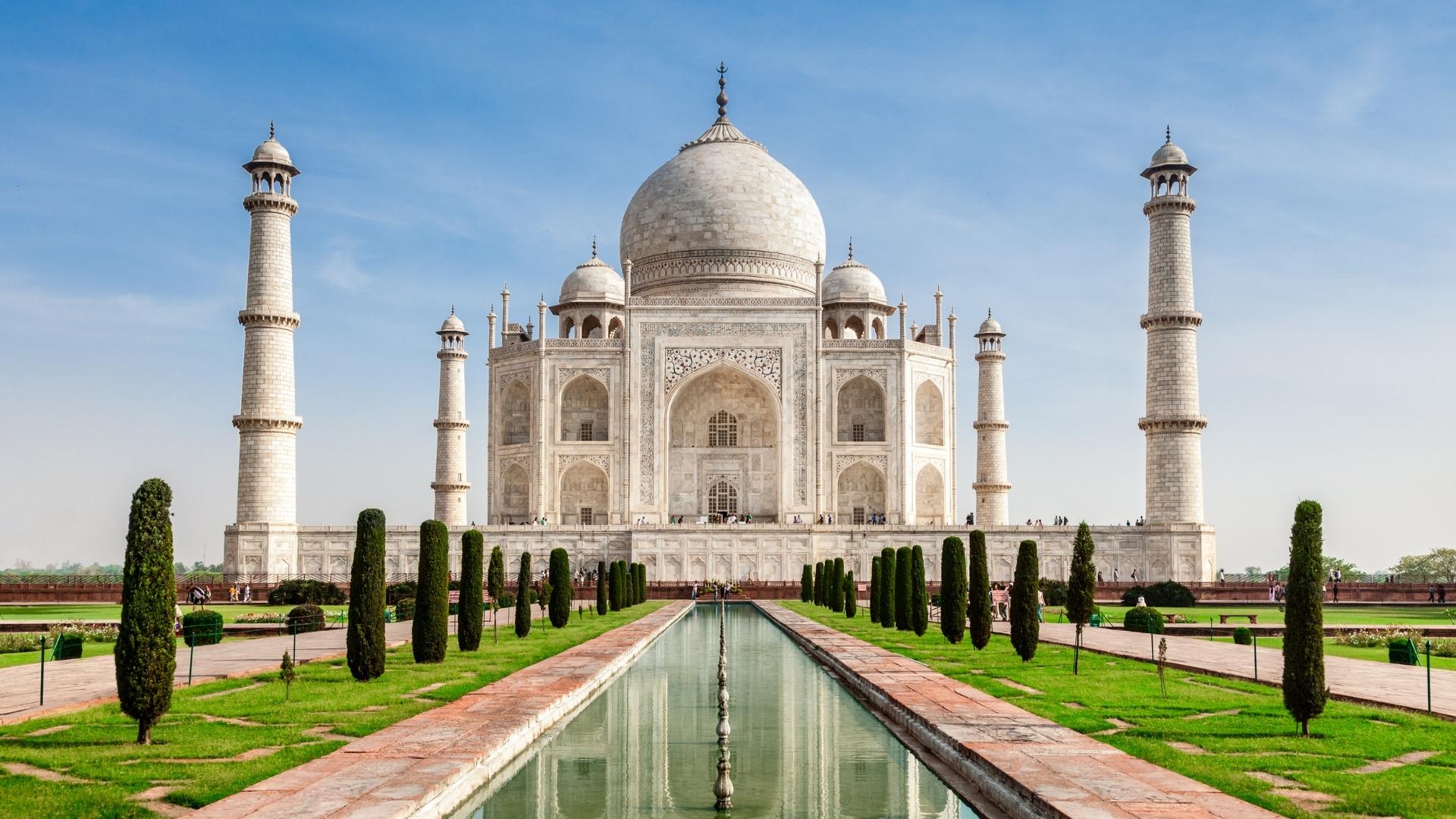
India offers a wide range of academic settings, from large city campuses to specialist institutes and residential universities. For an international student, its attraction can be the chance to study a subject in depth while experiencing a society with many languages, regions and traditions. The best choice begins with an individual programme rather than a claim about the country as a whole.
English-medium options make India accessible to many students who do not speak a local language. At the same time, practical preparation matters: course requirements, accommodation, climate and daily travel can differ substantially between institutions.
Finding an English-taught bachelor’s or master’s
The Government of India’s Study in India portal is a useful starting point for exploring institutions and courses. Its applicant FAQ states that English is the medium of instruction at its partner institutions. Confirm the details of your particular programme, especially for fieldwork, clinical activity or placements involving local communities.
Search by subject and level, then compare what is actually taught. In engineering or computing, look for laboratory time, mathematics preparation and the nature of the final project. In business, compare quantitative work, case discussions and practical assignments. In humanities and social sciences, examine the reading, methods training and opportunities for independent research.
For a master’s degree, establish whether it is a taught course, a research degree or a route with both elements. A similar title can hide quite different workloads. If you hope to pursue research later, ask about supervision and the dissertation rather than assuming every master’s provides the same preparation.
Admissions: use the requirements for your qualification
"(《世界人权宣言》) official eligibility guidance emphasises that requirements vary by institute and programme. Your previous subjects can matter as much as the overall grade. A science or engineering applicant should check the required school-level mathematics and sciences; a postgraduate applicant should look for any specified undergraduate background.
Ask how your national qualification is evaluated and which documents need translation or certification. Some institutions or courses use tests, interviews, portfolios or additional selection stages. Do not assume that one admissions rule applies to all universities.
English evidence is also programme-specific. The portal identifies tests such as IELTS and TOEFL but directs applicants to the institution’s own requirements. If your previous education was in English, ask whether a medium-of-instruction letter is accepted and obtain a clear answer before booking a test or relying on an exemption.
Applications, offers and intake timing
The Study in India process includes registration for an SII ID, exploring courses, submitting applications and choosing an offer. The current portal also links that ID to the subsequent visa and arrival process. Complete each stage using your own accurate details and retain copies of the documents you submit.
There is no single application deadline for every Indian degree. Work backwards from your programme’s advertised start date and allow time for academic documents, decisions, visa processing and accommodation. Scholarship applications can close earlier than ordinary admission.
Before accepting, clarify the campus, programme length, language, tuition schedule and any conditions still attached to the offer. If considering a change of course after arrival, ask in advance how that would affect admission and immigration arrangements.
Tuition and scholarships
Fees differ widely between institutions and subjects. Obtain a current fee breakdown for international students and your entry year, showing whether charges are per semester, per year or for the complete degree. Include examination, laboratory, hostel and other compulsory charges where applicable.
Study in India describes institution-funded scholarships and fee waivers; its financial-assistance information makes clear that support is decided by the institution. An advertised maximum waiver is not an award for every applicant. Compare the amount you would actually pay after any confirmed support.
The portal’s scholarship information also points to Indian Council for Cultural Relations schemes. Read the current call for eligible nationalities, subjects, coverage and application procedure. Different awards can pay different combinations of tuition, accommodation or maintenance.
Accommodation and everyday costs
A residential campus with a hostel and meal plan can produce a different budget from private accommodation in a major city. Ask for current hostel availability and charges, whether meals are included, room-sharing arrangements and what happens during vacations.
The Study in India FAQ offers an indicative living-cost example, but it should not replace a budget for your campus. Build your own from current accommodation information, meals, utilities, transport, mobile service, laundry, books and health cover. Separate a deposit, travel and first-month purchases from recurring expenses.
Find out whether you can walk between your room, classes and dining facilities. If you need to commute, assess the route and timing during a normal teaching week. Climate also affects preparation: ask about seasonal weather, ventilation, suitable clothing and the everyday facilities available in your accommodation.
Learning beyond the timetable
Student societies, cultural activities, sport and volunteering can help you find a community. Rather than trying to experience everything immediately, choose a few activities that fit your interests and leave enough time for study. Learning basic expressions in the local language can make ordinary interactions easier even when all your classes are in English.
For internships, ask how the institution supports students, whether participation is required for the degree and what selection involves. A campus’s relationship with employers is useful context, but it does not guarantee an individual placement or job.
Visas, arrival and funding
Follow the official Study in India instructions and the relevant Indian visa service after obtaining your offer. The portal describes visa or student e-visa applications using the SII ID and post-arrival registration through the relevant foreigner-registration system. Check the conditions that apply to your nationality and permission.
Do not assume that completing a degree automatically gives you the right to work in India. Ask for current guidance before accepting paid activity and plan your study costs without relying on employment. Health insurance should be part of the plan too: an admission offer or visa does not necessarily provide cover.
使用我们的 programme finder, 英语授课的学习指南, budgeting guide 和 奖学金目录 to compare India with other destinations on the things that matter to you.
Information reviewed 25 October 2026. Course availability, fees and immigration requirements can change; use the linked official sources for your application.