


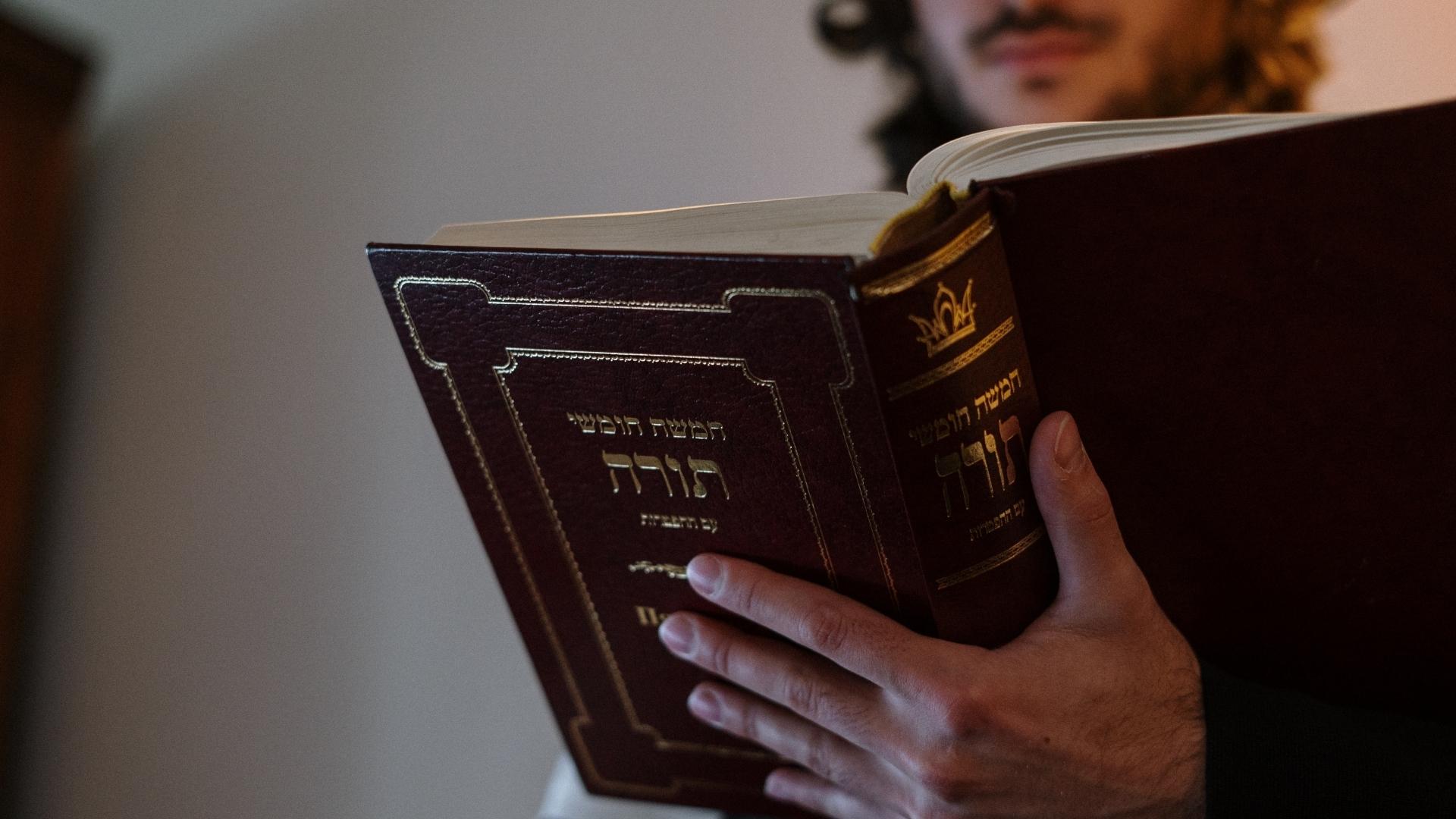
Hebrew and Yiddish are distinct languages with connected cultural histories. They are not two versions of the same language, and knowing one does not automatically allow you to understand the other. Their shared use of Hebrew letters can make them look more similar on a page than they sound in conversation.
For learners, the most useful starting point is your interest: speaking with people, reading family documents, exploring literature, studying religious texts or preparing for life in Israel.
Different language families
Hebrew belongs to the Semitic language family. The Academy of the Hebrew Language’s overview explains its long history and development into a modern spoken language. Its word formation often works through roots and patterns.
Yiddish is a Germanic language shaped by Jewish life in Europe. The YIVO Encyclopedia describes its Germanic foundations together with Hebrew, Aramaic and later Slavic contributions. Those elements form a language with its own grammar, expression and literature.
A shared script does not mean identical spelling
Both use Hebrew letters and are written from right to left, but spelling conventions and pronunciation differ. A learner may recognise the shapes of letters while still needing to learn how they work in each language.
그리고 Yiddish Book Center’s alphabet resources pair written forms with audio. That is a useful reminder to learn sound and writing together rather than relying entirely on transliteration into Latin letters.
Modern Hebrew and other forms of Hebrew
If your aim is everyday conversation in Israel, look for Modern Hebrew. A course focused on Biblical Hebrew or textual study may have a different vocabulary, pace and purpose. Neither is a lesser form of learning; they answer different interests.
Before joining, ask what learners actually do in lessons. Do they practise conversations, analyse texts, write short messages or prepare for academic study? A course title alone may not make the emphasis clear.
Yiddish is a living language
Yiddish has a substantial literary and cultural heritage and continues to be spoken in communities today. It should not be described simply as a language of the past. Pronunciation and usage can vary between communities and learning settings.
YIVO’s language resources offer routes into courses, dictionaries and cultural material. If your interest is a particular family archive or community, explain that to a teacher so they can help you choose suitable materials.
Which should you learn first?
Choose the language that connects to something you want to do. Modern Hebrew may suit a plan to live or study in Israel. Yiddish may connect you to a writer, a musical tradition, a community or family records. You can also learn both over time without treating them as competitors.
For an initial month, set a small practical goal: learn the letters with audio, introduce yourself, read a short passage with support or recognise key words in a song. A concrete goal makes progress easier to notice.
Build a varied routine
Combine listening, reading, speaking and writing around the same material. For example, listen to a short dialogue, read it, practise it with a partner and write a variation using your own details. Ask a teacher for feedback on pronunciation early.
If learning Hebrew is part of a university plan, our guide to studying in Israel explains the wider choice between English-taught programmes and courses requiring Hebrew.
Reviewed 25 October 2026. Check the linked provider pages for current availability and conditions.