


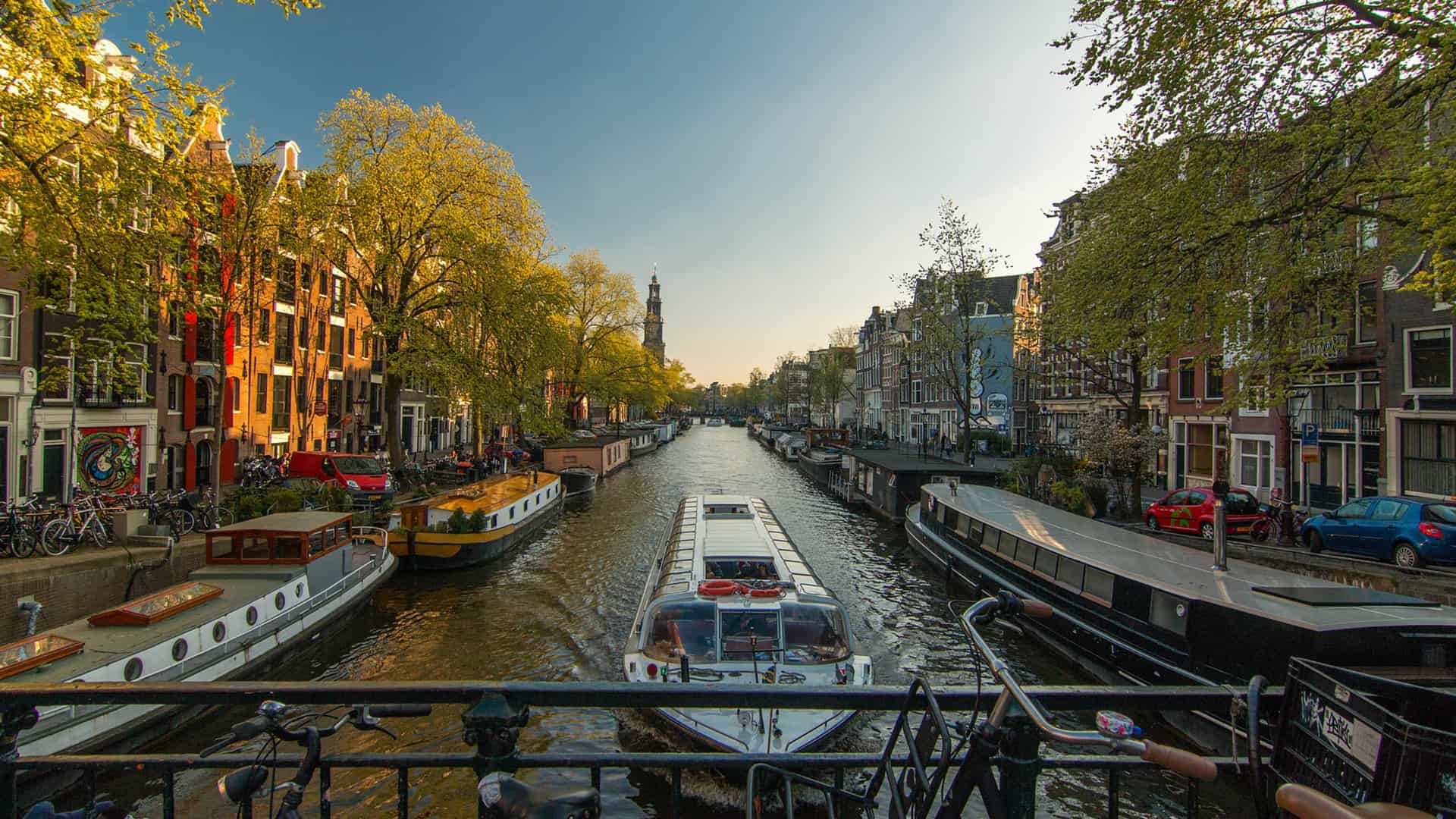
Studying in the Netherlands offers the chance to explore an English-taught degree while building an international circle of friends and experience. Your choice might lead to a research project, a practical placement, a new business idea or a subject you had never considered before.
This guide covers the country often called Holland, with a focus on choosing a course, understanding tuition, finding housing and planning the experience around your studies. Accommodation deserves attention early: a good offer of admission is only part of a workable plan.
Reviewed: 18 October 2026. Fees are labelled by academic year. The residence-permit funding amount below applies to 2026.
Universities in the Netherlands
The two main routes are research universities and universities of applied sciences. Research-university bachelor’s degrees generally take three years and carry 180 ECTS. Applied-sciences bachelor’s degrees generally take four years and carry 240 ECTS, often with a substantial practical component. Study in NL explains both routes.
Choose by the work you want to do during the course. A research project, a studio assignment, a placement and a group consultancy project offer different experiences. Read the module descriptions and ask how students spend a typical week, including independent study.
Our profiles introduce the University of Twente in Enschede and Universidad de Maastricht. They are starting points for exploring particular courses, rather than a ranking of which university is best for everyone.
For a master’s, compare the required academic background, course length and balance of taught modules and independent work. If you are changing subjects, ask whether a preparatory or pre-master’s route is available.
Business Schools in the Netherlands
Business study spans management, economics, finance, entrepreneurship and many specialist areas. Start with the questions you want to learn to answer. Do you want to understand markets, analyse a business, lead a team or develop an idea of your own?
Compare how each course teaches those skills. Look for examples of projects, the opportunities to work with others and the ways students connect theory with practice. A course with a similar name can have a very different balance of quantitative work, reading, presentations and placements.
For an MBA or a programme aimed at working professionals, consider the experience expected from applicants and the time needed alongside employment. Include travel, materials and any residential teaching periods when comparing the complete price.
Study in English in the Netherlands
Our first two Dutch listings show the range of study experiences available in English:
- Technical Computer Science at Twente combines computing with projects and teamwork in Enschede.
- Global Studies at Maastricht connects disciplines around worldwide issues and includes additional language study.
Browse our featured programmes in the Netherlands to compare course details and official links.
Read the language requirements for your particular intake. Universities set their own accepted tests, scores and exemptions; Study in NL’s admissions guidance explains the general approach. English-taught classes also leave plenty of reasons to learn Dutch, from daily conversations to understanding more of the place you live.
How applications work
Many applications begin in Studielink and continue through an institution’s own portal. As a general guide, numerus fixus courses have a 15 January deadline and other courses often use 1 May, but programme and applicant deadlines can differ. Follow the official application guidance and the course instructions together.
Put selection tasks, language evidence, housing applications and any immigration deadlines into the same calendar. Submitting an initial registration does not necessarily complete the application. Allow time for the university to assess your school or university documents and tell you whether anything else is needed.
Tuition Fees in the Netherlands
The Netherlands distinguishes between statutory and institutional tuition. Study in NL lists the standard statutory fee as €2,694 for 2026/27. Eligibility depends on your situation, including nationality or residence status and previous study; it is not simply the price paid by every European applicant.
Institutional fees vary by university and programme. Some intensive, small-scale courses also have a higher statutory rate. Our featured courses illustrate the difference:
- Twente Technical Computer Science, 2027/28: €2,771 statutory tuition or €16,869 institutional tuition in the published non-EU/EEA category, per year.
- Maastricht Global Studies, 2027/28: €4,595 statutory tuition or €18,700 institutional tuition, per year.
Use the category confirmed for you by the institution. Add application charges where applicable and keep tuition separate from your housing and monthly spending. Compare a whole degree as well as a single year: course length and possible annual fee changes affect the final budget.
Scholarships in the Netherlands
Look at the university’s own awards and the NL Scholarship. The latter supports eligible non-EEA applicants at participating institutions and provides €5,000 in the first study year. It is not a full-tuition award. The published 2026/27 scheme has institution-specific requirements and deadlines; check the next call for a later intake.
When comparing scholarships, write down what the award actually pays for and when you receive it. A first-year contribution does not solve the budget for every later year. A tuition waiver may still leave rent and living costs to cover.
Search early enough to prepare a thoughtful application. Give concrete examples of your interests, experience and reasons for choosing the course, and build your essential budget around funding already confirmed.
Costs of Living in the Netherlands
Study in NL gives a general living-cost range of €1,000–€1,500 per month and room rents of roughly €450–€1,000. These are broad reference figures, not a guarantee of an available room or a sufficient budget in every city. Tuition is additional.
Build your own estimate from housing you can realistically secure, then add groceries, transport, phone costs, insurance, study materials and spending outside class. Check which utilities are included in rent so you do not miss them or count them twice.
Illustrative calculation: €1,400 a month becomes €16,800 over twelve months, before tuition and arrival costs. A ten-month academic calendar does not necessarily mean ten months of rent. Use your housing contract and travel plans to decide how many months to budget.
Finding accommodation
Study in NL warns of a severe housing shortage and recommends arranging accommodation before arrival. Ask your institution what help it provides, when applications open and whether any rooms are reserved for new international students.
Compare the full arrangement: rent, bills, deposit, furnishings, travel time and dates. Use the university’s housing guidance to check unfamiliar offers before transferring money. If housing remains uncertain, discuss your options with the international office before committing to travel.
Seguro de enfermedad
The appropriate cover depends on whether you are studying only, working or doing a paid internship. Study-only students generally use suitable home-country or private cover; taking a part-time job normally creates a requirement for Dutch public insurance. Read the official student insurance guidance when your situation changes.
Internships & Company Placements in the Netherlands
Internships can help you explore a field and put your learning into practice. Their role varies by programme: some courses build in a placement, while others focus more on projects, research or elective opportunities.
Ask what the university helps arrange, whether you apply to employers yourself and how the experience is assessed. Find out whether a placement is paid and whether travel or a temporary move is involved. Keep those details separate from the headline tuition fee when comparing options.
For students using a study residence permit, a course-related traineeship can have different arrangements from ordinary employment. Let the university and host employer establish the appropriate agreement before you begin. The IND student-permit guidance explains the relevant conditions.
Think about what you would like to practise during the placement, such as presenting results, working with customers or using a particular tool. That gives you a more useful basis for choosing a host than the company name alone.
Working in the Netherlands
EU/EEA and Swiss citizens can work without an employer work permit. For employees holding the usual non-EU student residence permit, the employer needs a TWV work permit, and the student chooses between up to 16 hours a week or full-time work in June, July and August. See EU/EEA and Swiss rights y el student-permit conditions.
A permitted number of hours is not a promise of work. Your language skills, timetable, experience and location influence what you can find. Cover essential costs before arrival and treat a job as a possible addition to your experience and budget.
If you do take a job, revisit the insurance arrangements described above. Use the university careers service and build a realistic weekly schedule that includes classes, independent study, travel and rest.
After graduation
Eligible graduates can apply for a one-year orientation permit to look for work or explore opportunities after study. The IND explains eligibility and timing. Use projects, placements and student activities to develop the skills and connections you want to take into that next stage.
Visas and Residence for Studying in the Netherlands
EU/EEA and Swiss citizens do not need a Dutch residence permit. For longer student stays, the IND sets out conditions including enrolment, insurance and sufficient funds.
For the non-EU higher-education study route, a recognised sponsoring institution applies for your residence permit. Whether you also need an entry visa depends on your nationality and circumstances. Your university guides the process after admission; the official student-permit page explains the route.
En published study amount for 2026 is €1,130.77 per month for higher education. Keep this financial-evidence requirement separate from tuition and from your actual spending plan. Use the updated amount for a later application year.
Making your shortlist work
Compare the course, the city and housing together. Ask current students about an ordinary week: how group work is organised, how far they commute and what they wish they had arranged earlier.
Once you choose, map out the steps from accepting the offer to moving in. Leave time to settle into the academic rhythm and enjoy life outside class. A society, sports group or language exchange can be a good way to meet people beyond your immediate course.
Continue with our guides to Alemania, Irlanda y España, or compare courses in the programme directory.