


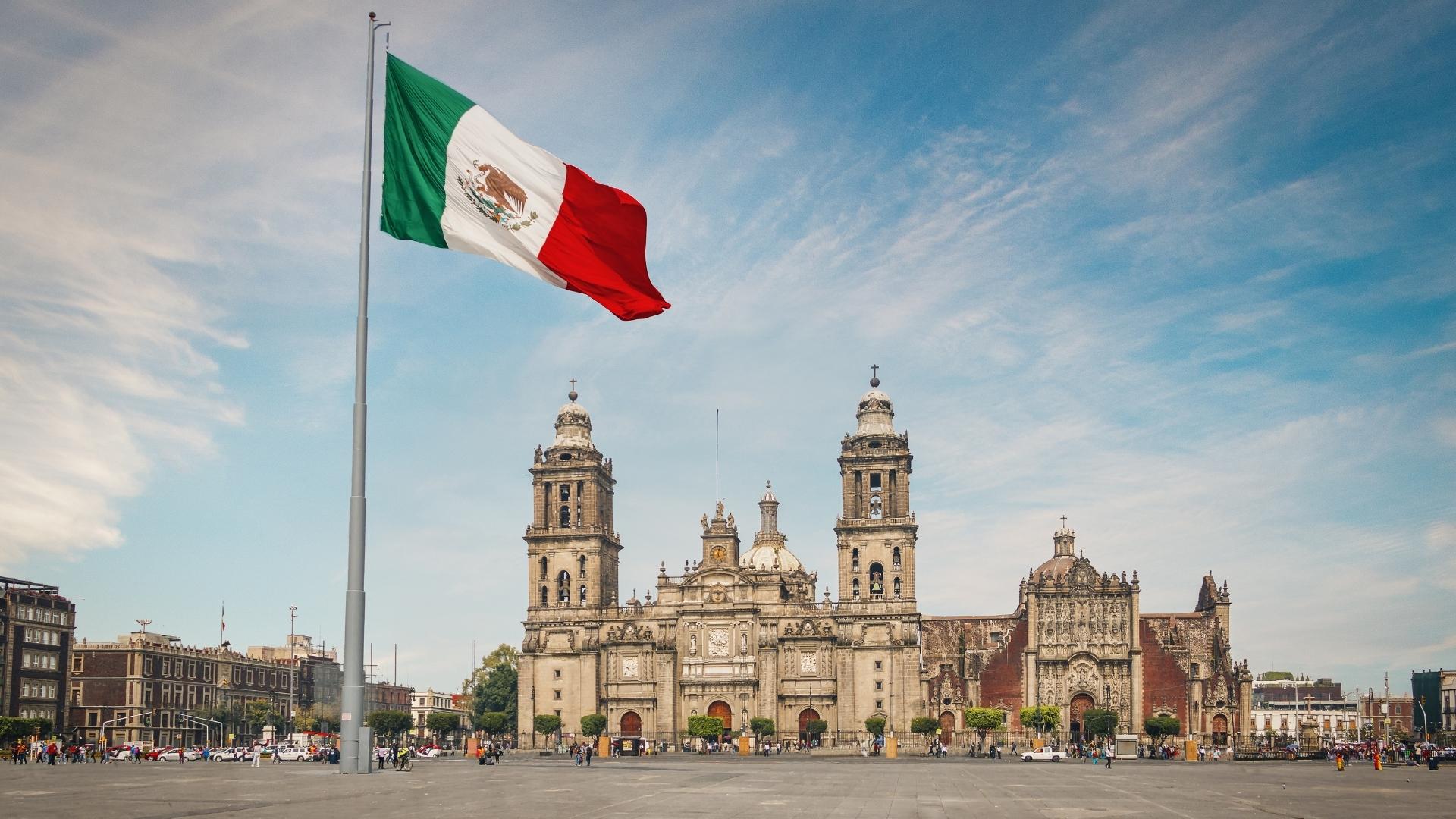
Mexico can offer a rewarding combination of university study, Spanish-language immersion and experience of a country with very different regions and cities. The most useful first step is to decide whether you want a complete degree, a semester exchange or a shorter course. Those routes can have different language requirements, tuition arrangements and application processes.
Students looking for teaching in English do have options, but they should select by programme and campus. Do not assume that an international office, English website or exchange agreement means a complete bachelor’s or master’s degree is available in English.
Finding English-taught programmes
Tecnológico de Monterrey’s undergraduate catalogue identifies English options in subjects including architecture, design, finance, global business and international relations. The catalogue also separates campuses. That distinction matters: a course offered in one city is not automatically available at every location.
Dens Santa Fe Global Campus information provides an example of a campus explicitly advertising degrees taught entirely in English. Use the current course details to confirm the programme you want, rather than building a plan around a general list of subjects.
For a master’s degree, ask about the language of seminars, supervision, assessment and the dissertation or final project. If part of a course is in Spanish, decide whether the required level is realistic before accepting. An exchange student may be able to choose an English timetable from several departments while a full-degree student must complete compulsory modules.
Choose the learning experience
Compare how you will spend your time: lectures, studio work, laboratories, team projects, research or work with an external organisation. A useful course description should show the balance and how students are assessed. Ask for a recent module list and an example of a final project.
Tecnológico de Monterrey describes opportunities involving projects, concentrations, research, exchanges and professional-development support. These can help you build practical experience, but availability and eligibility depend on the course. Ask which opportunities are included, which require an application and whether they add an extra semester or additional cost.
Spanish is valuable even if your degree is taught in English. It broadens your social life and helps with shopping, housing and travel. For a placement involving customers, patients, public services or local colleagues, Spanish may be central to the work. A language course before departure can make the academic experience more comfortable from the beginning.
Universities, cities and accommodation
Mexico City, Monterrey, Guadalajara and smaller university locations offer different environments. Compare the neighbourhood around the actual teaching site, not only the city’s overall reputation. Ask current students how they travel, where they live and which university services they use.
Housing close to campus can save time and help you take part in clubs or evening study sessions. Check furnished versus unfurnished rooms, deposits, utility charges, internet and the length of the contract. If sharing, clarify who signs the lease and how bills are divided.
For wellbeing and security, follow current guidance from the institution and your own government’s travel service. Conditions differ between regions and can change. Ask about arrival transport, campus security, medical services and out-of-hours support, then make a practical plan for your particular location rather than relying on a blanket label for the whole country.
Tuition fees and a workable budget
There is no meaningful single tuition price for international study in Mexico. Fees depend on the institution, programme, campus and whether you enrol directly or through an exchange agreement. Tecnológico de Monterrey’s admissions pages direct students to a cost-estimation tool; obtain a current quotation for your actual study load.
Record the amount in Mexican pesos, the payment period and what it includes. Ask about application charges, insurance, laboratory materials, equipment and compulsory activities. For an exchange, confirm whether you pay tuition to your home institution and which charges remain payable locally.
Your living budget should cover the housing you have identified, meals, transport, utilities, phone service and personal spending. Add flights, a rental deposit and arrival purchases separately. Leave room for exchange-rate movement if your savings are held in another currency. Our study-cost guide provides a practical comparison framework.
Applying for a place
Check how the institution evaluates your school qualification or previous degree. Depending on the programme, you may need academic transcripts, translated documents, language evidence, an interview, a portfolio or additional testing. Do not rely on requirements from an exchange programme when applying for a full degree.
Read the calendar for the specific course and campus. Application, scholarship, housing and arrival deadlines may be different. A master’s programme may recruit annually even when an institution has several undergraduate entry points.
If applying through a home-university exchange, start with its international office. Ask how your chosen modules will count toward your degree and whether there are restrictions on joining particular classes. It is easier to resolve the study plan before you travel than to rebuild it after teaching begins.
Scholarships, immigration and work
Ask institutions about international applicant scholarships and any current government calls for your nationality. Read coverage carefully: a fee discount may leave most living costs unchanged. Use our stipendieoversigt as a starting point and verify the original provider’s terms.
Mexico’s Secretaría de Relaciones Exteriores student guidance sets out the temporary resident student route for study stays longer than 180 days. The official process includes an acceptance letter and financial evidence, with a residence-card procedure after entry. Requirements should be checked with the Mexican consulate responsible for your application.
Permission to study is not a promise of unrestricted employment. Obtain advice on the conditions of your status before accepting paid activity, including an internship. Your funding plan should work even if you earn nothing while studying.
Your next step
Shortlist a few programmes with a confirmed teaching language and campus, compare the full cost, and ask the international office any unanswered questions. Mexico is particularly appealing when the academic opportunity and the wish to engage with local life reinforce one another. Explore our programme finder og Studievejledning på engelsk to structure your search.
Information reviewed 25 October 2026. Course availability, fees and immigration requirements can change; use the linked official sources for your application.