


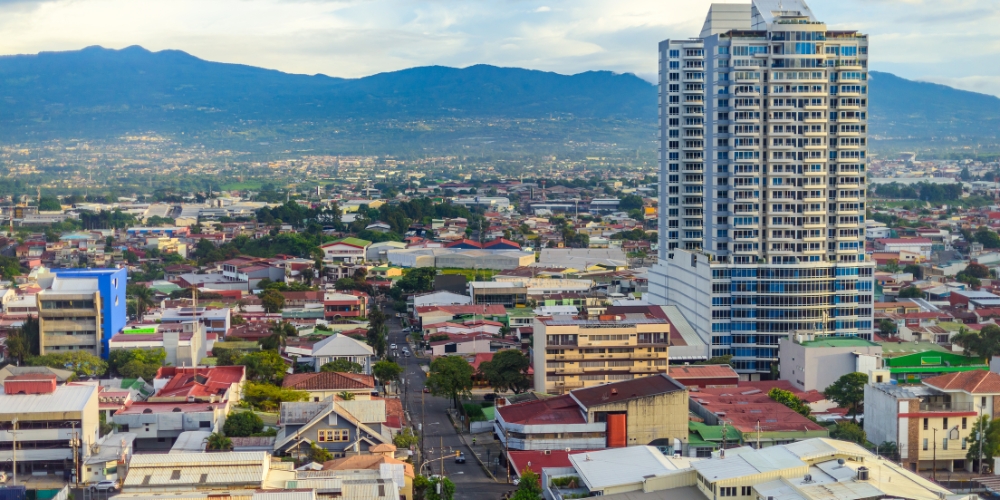
Costa Rica can offer international schooling alongside daily opportunities to learn Spanish and explore the natural environment. A good school choice still begins with familiar questions: what will the child study, where will the family live and how will they settle into a community?
Do not treat all international schools as the same product. Day schooling for a relocating family differs from a residential programme for an older teenager arriving independently.
Costa Rica International Academy, Guanacaste
CRIA describes a secondary programme for Grades 6–12, with US educational frameworks, Advanced Placement and dual-enrolment opportunities. Its primary information explains how English and Spanish are used at different ages. The balance changes by stage, so ask about the actual timetable for your child.
CRIA publishes a family handbook, programme of studies and 2026–27 fee information. These are better starting points than an undated comparison-site price. Families considering Guanacaste should connect school location with housing and the everyday journey.
UWC Costa Rica
UWC Costa Rica is a two-year boarding high school offering the IB Diploma, with sustainability and experiential learning central to its approach. Its residential-life information describes students living together in campus residences.
This is a distinct option for the final school years, rather than a substitute for a local primary or day school. Explore the relevant application route and UWC funding information if financial assistance is important.
Choose the region and school together
A coastal lifestyle and an inland city lifestyle create different routines. Before committing to housing, test the school journey and ask about transport after activities. Think about where classmates live and how easily your child can see friends outside lessons.
Visit during an ordinary school day if possible. A campus tour gives a useful first impression, but discussions about daily learning, support and activities help you judge how the child would participate.
English, Spanish and settling in
Ask which subjects are taught in each language, how newcomers are assessed and what extra help is available. A bilingual label does not tell you the proportion of the week in either language. Students who are confident socially may still need support with academic writing.
Encourage local language learning without expecting immediate fluency. Clubs, shared interests and everyday conversations can help a child feel part of the place while classroom support develops.
Fees and practical planning
Request the correct academic year’s quote for the child’s grade. Check the currency and add registration, meals, transport, devices, examinations, trips and any extra support. For residential study, clarify what the boarding fee covers and where students stay during holidays.
Ask how admissions handle a move partway through the year and which reports or records are needed. A school place should be confirmed alongside the family’s wider relocation arrangements, not assumed from a general enquiry.
Learning beyond the prospectus
Nature and community projects can make learning memorable, but ask how these experiences connect with the curriculum. What do students investigate, make or contribute? How often do activities happen, and are they included in the fees?
Keep the student involved in the decision. Their interests and sense of belonging are valuable evidence. Compare school arrangements in Mexico, international schools in Spain 还有我们的 IB Diploma guide for further context.
Reviewed 25 October 2026. Follow the official school links for current entry-year details.