


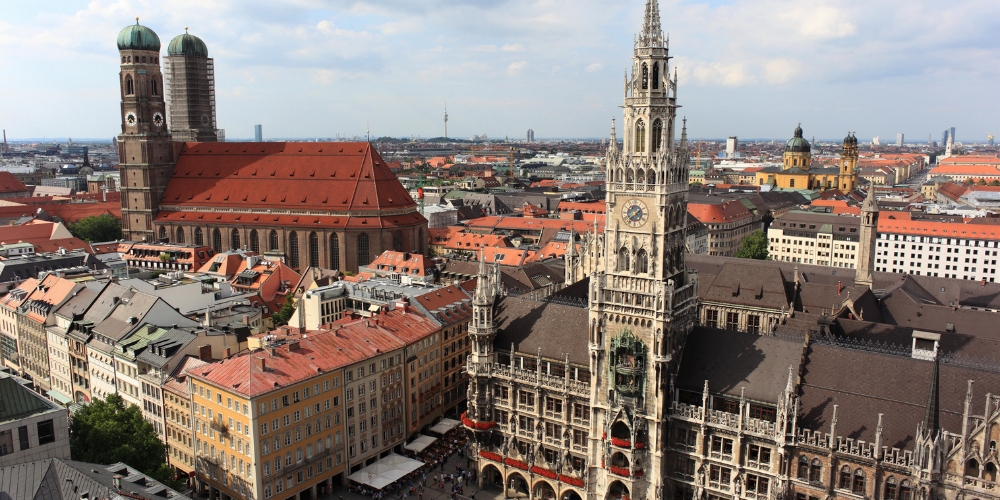
For families moving to Munich, the school’s location deserves attention as early as its curriculum. “Munich” can mean a city campus, a school north of the city or a setting near Starnberg. Those choices shape commuting, housing and a child’s opportunities to see friends after lessons.
Use the following schools as starting points for a family shortlist, rather than a ranking. Their age ranges, pathways and admission arrangements differ.
Internationale school München
Internationale school München is at Schloss Buchhof in Starnberg. Its learning information describes early-childhood, junior, middle and senior provision. Its published curriculum follows the IB framework, with German-language learning and English support forming part of the educational discussion for international families.
Ask about the actual journey from your intended neighbourhood and the transport available after clubs. If your child is entering the senior school, request the subject options and a conversation about their existing coursework.
Beierse Internationale School
BIS operates in Haimhausen and Munich. Both locations have primary provision, while secondary schooling is at Haimhausen. The school describes the IB Middle Years, Diploma and Career-related programmes for its older pupils. Confirm which pathway suits your child and which campus they would attend now and later.
This distinction matters when choosing housing: a convenient primary-school journey may change when a pupil moves into secondary education.
Europese school München
Europese school München has defined admission categories. Children of specified European institutions and school staff have priority under Category I; other families may fall under agreements or limited Category III admission. It is not simply a fee-free international school available to every applicant.
Ask the admissions team which category and language section apply before making it central to a relocation plan. Educational fit and availability both matter.
Compare the experience your child will have
Start with their strongest subjects, interests and languages. Ask what a normal week looks like, which activities run regularly and how a newcomer joins the community. A child who loves music or team sport needs practical access to those activities, not just an impressive list in a prospectus.
Discuss English and German support in concrete terms. How does the school help with writing, subject vocabulary or joining a class discussion? Can it support a child who understands a language well but is less confident using it?
Budget beyond tuition
Obtain the current year-group fee schedule and identify one-off charges. Meals, buses, devices, trips and examination fees can change the total. If an employer is contributing, establish which items the allowance covers and when reimbursements arrive.
Test housing and transport choices together. A slightly higher rent closer to school may reduce travel time and make friendships easier; a more distant home may suit a family with a reliable school-bus route. Compare a complete week rather than an isolated tuition figure.
Plan the transition
Share recent reports, relevant learning-support information and the likely moving date. Transfers during examination courses need extra discussion because subject content and assessment schedules may not line up. Ask how the school helps new pupils settle during the first weeks.
After visiting, give your child space to describe what felt comfortable and what did not. Their response is useful evidence alongside the timetable and budget. See our Germany-wide school guide for other locations and German university guide for the next stage.
Reviewed 25 October 2026. Follow the official school links for current entry-year details.