


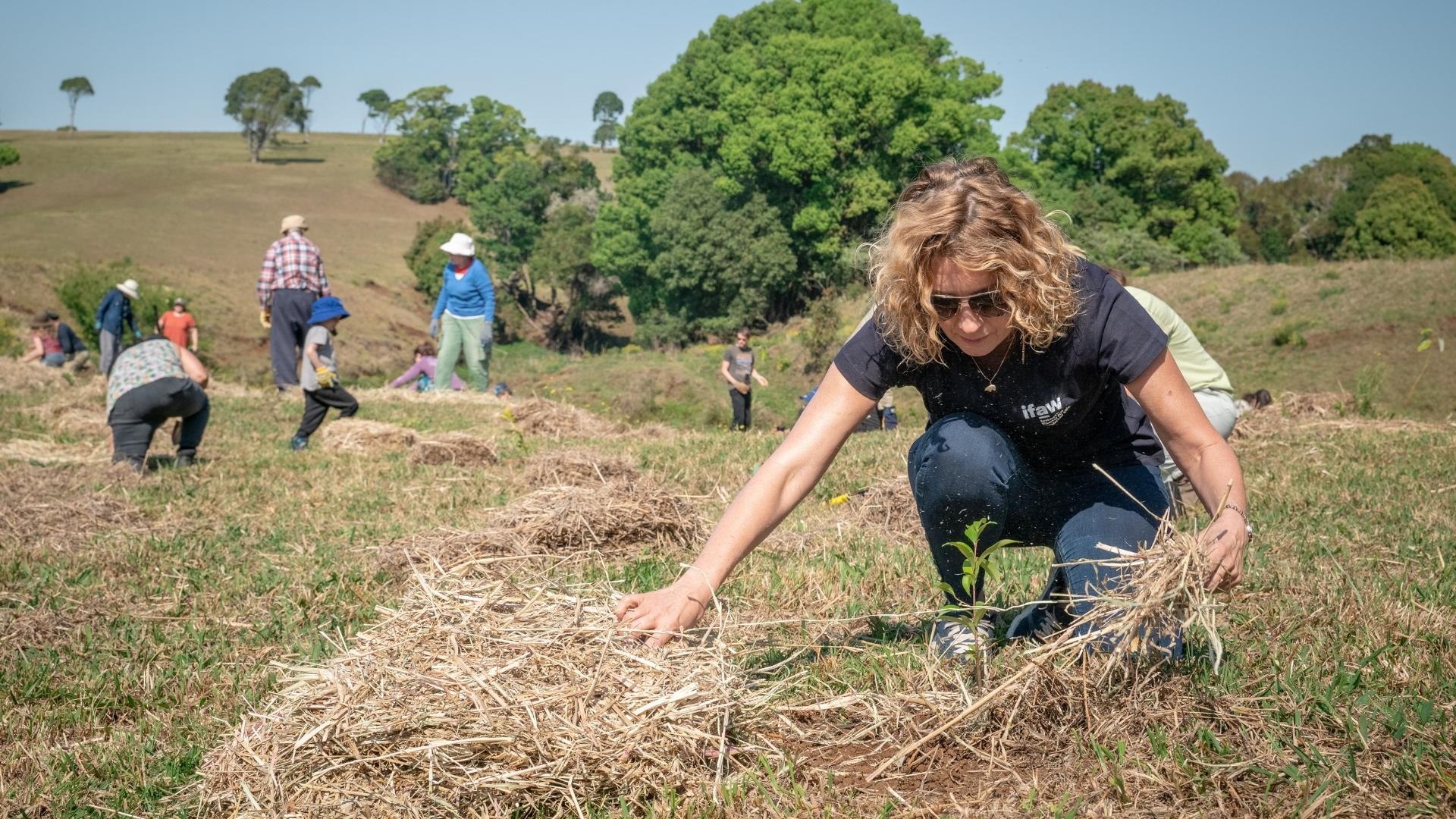
Volunteering in the United States can help you meet people, understand a community and contribute skills beyond the classroom. A good placement starts with a real need identified by the organisation, not simply a convenient way to fill a travel itinerary.
For international students and visitors, two questions come first: does the organisation accept you for the role, and is the activity permitted under your immigration circumstances? An unpaid position is not automatically suitable for every visitor.
Start with organisations doing the work
그리고 American Red Cross volunteer portal is a starting point for exploring local opportunities. Read the individual role’s requirements and commitment. Training, location and the responsibilities involved matter more than the organisation’s name alone.
Habitat for Humanity lists local volunteering, group opportunities, youth programmes and travel-related options. A local project and an organised travel programme may have different costs and arrangements. Contact the relevant office rather than assuming one application covers everything.
National Park Service opportunities
그리고 National Park Service’s International Volunteers-in-Parks programme provides a specific route for international participation. Its application steps advise allowing two to three months for placement and immigration arrangements and explain the role of its international coordinator.
This is a planned programme, not permission to arrive at a park and begin working. Discuss the position, support and appropriate route with the programme team before arranging travel.
If you are already studying in the USA
Your university’s community-engagement office can help identify established partnerships close to campus. A regular weekly commitment may be more useful to a local organisation than a short visit. It also gives you time to build relationships and understand the work.
Discuss any immigration questions with your international-student adviser before accepting a role. Describe the actual duties, hours and any benefits or compensation rather than relying solely on the label “volunteer”.
Choose a role you can contribute to
Think about what you can reliably offer: language skills, event organisation, basic administration, practical work or a consistent period of time. Be honest about experience. A willingness to learn is valuable, but it does not replace training for responsibilities involving vulnerable people or specialist work.
Ask who supervises volunteers, what preparation is provided and how the organisation evaluates the contribution. A clear answer helps you arrive with realistic expectations.
비용을 이해하세요
List accommodation, meals, travel, local transport, insurance and any programme charge separately. Some roles provide particular support; others provide none. Ask for the details of the actual placement and avoid assuming that volunteering includes free housing.
If a travel company charges a fee, establish how it supports the host organisation and what services you receive. Read cancellation conditions and the procedure if the placement changes.
Make the experience useful and respectful
Arrive on time, follow the team’s guidance and commit only to hours you can sustain. Ask permission before taking photographs or sharing stories about people you meet. The community’s privacy matters more than producing material for social media.
Keep notes on your own learning: what you contributed, what challenged you and how your understanding changed. These details are more meaningful in future interviews than a generic claim that volunteering transformed your life.
If volunteering forms part of a longer journey, use our student backpacking guide to plan the travel separately from the placement.
Reviewed 25 October 2026. Check the linked provider pages for current availability and conditions.